
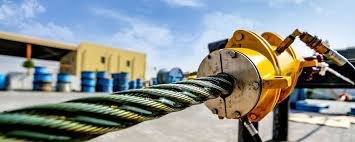
Choosing the right wire rope lubrication system is essential for maintaining safe, reliable, and long-lasting lifting equipment. Whether you’re working in construction, mining, marine operations, or heavy manufacturing, selecting a system that fits your operational environment can dramatically reduce wear, prevent costly rope failures, and keep your crew productive. Understanding what features to look for helps you invest confidently in a tool that performs consistently under demanding conditions.
Assess Your Worksite’s Operating Conditions
Every worksite has unique challenges. Some environments expose wire ropes to moisture, corrosive particles, abrasive dust, or extreme temperatures. Before selecting a lubrication system, consider the conditions your ropes face daily. Wet or salty environments—common in marine or offshore work—require systems capable of pushing lubricant deep into the rope core to block corrosion. Dusty mines and quarries benefit from units designed to prevent contamination while applying an even layer of lubricant. Matching the system to the site’s challenges ensures the rope stays protected from the inside out.
Check Compatibility With Your Rope Sizes
Wire ropes vary widely in diameter and construction. Not every lubrication system is compatible with every rope. When evaluating options, choose a device that can comfortably accommodate the rope sizes you use most frequently. Some systems feature adjustable plates or interchangeable bushings to suit multiple diameters, making them ideal for worksites operating various types of lifting equipment. Proper fit improves lubricant penetration and reduces mess, ensuring maximum protection with minimal waste.
Evaluate Application Efficiency
Traditional hand-applied lubrication is messy, inconsistent, and time-consuming. A well-designed lubrication system should streamline the process, applying lubricant uniformly while eliminating unnecessary downtime. Look for features such as controlled flow systems, pressure-assisted delivery, and built-in containment seals that prevent spillage. High-efficiency units can cut lubrication time dramatically, freeing your team to focus on other essential tasks without compromising safety.
Consider Lubricant Compatibility
Not all lubricants behave the same way. Some are thick and tacky, ideal for preventing friction, while others are formulated for deep penetration in cold climates. Your chosen system should support the types of lubricants recommended for your machinery and environment. Systems with flexible flow control or multiple nozzle options make it easier to work with different formulations, ensuring ropes receive the protection they need regardless of conditions.
Prioritize Durability and Build Quality
A worksite-ready tool must withstand harsh environments. When comparing lubrication systems, look closely at construction materials and design durability. Heavy-duty steel housings, reinforced seals, corrosion-resistant components, and impact-proof frames ensure the system lasts through years of daily use. Investing in a robust unit reduces long-term maintenance costs while delivering consistent performance.
Look for Safety-Focused Features
Safety should always be a core consideration. A good lubrication system minimizes manual rope handling, reducing operator exposure to pinch points, tensioned cables, and hazardous equipment. Systems with secure mounting options, solid clamping systems, and controlled lubricant flow reduce the risk of accidents during operation. Better safety features lead to fewer workplace injuries and more efficient maintenance routines.
Review Maintenance and Usability
Maintenance teams appreciate equipment that’s simple to clean, easy to set up, and quick to operate. Before purchasing a lubrication system, check how easy it is to remove components, replace seals, or adjust settings. A user-friendly device helps ensure your team uses it regularly and properly—an important factor in preserving rope integrity.
Compare Cost Versus Long-Term Value
While the initial price is important, long-term value matters more. A durable, efficient lubrication system reduces rope replacement costs, limits downtime, and provides better protection than lower-quality alternatives. Consider warranty options, manufacturer support, and availability of replacement parts when comparing systems. A slightly higher upfront investment can lead to substantial savings over time.
Final Thoughts
Choosing the right wire rope lubrication system is an investment in safety, reliability, and operational efficiency. By considering your environment, rope sizes, lubrication needs, and long-term performance expectations, you can select a system that keeps your equipment running smoothly and your team protected.

