
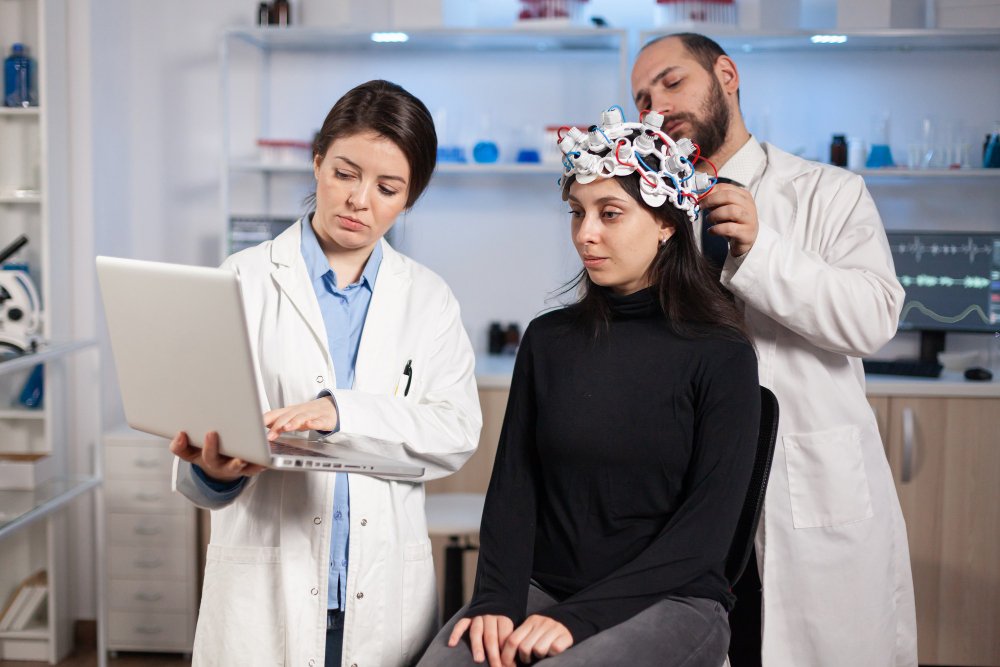
Neurological diseases are among the most complex and least understood conditions that affect humanity. At DoctorHub360.com, neurological diseases are not just clinical terms — they represent real people, real struggles, and real journeys toward healing. The platform bridges medical expertise and compassionate guidance, helping individuals understand the brain and nervous system in a way that feels both scientific and human.
This comprehensive guide explores everything about neurological diseases — their causes, symptoms, diagnosis, treatments, and lifestyle management — all framed through the lens of DoctorHub360.com neurological diseases resources and approach.
Introduction: Why the Brain Deserves More Attention
The brain is the control center of life. Every thought, every movement, and every heartbeat begins in the neural network that defines who we are. Yet, neurological diseases silently affect millions of people worldwide.
Through DoctorHub360.com neurological diseases insights, readers gain access to detailed information about how the brain, spinal cord, and nerves interact — and what happens when those systems malfunction. The aim is not to create fear, but to build awareness and offer practical guidance for early detection, prevention, and management.
What Are Neurological Diseases?
Neurological diseases refer to disorders that impact the brain, spinal cord, and peripheral nerves. These conditions can disturb a person’s movement, sensation, thinking, or behavior. DoctorHub360.com neurological diseases category defines them as illnesses that range from mild migraines to severe neurodegenerative disorders like Parkinson’s or Alzheimer’s.
Some examples include:
-
Alzheimer’s disease and dementia
-
Parkinson’s disease
-
Multiple sclerosis (MS)
-
Epilepsy
-
Stroke
-
Migraine and cluster headaches
-
Neuropathy
-
Brain tumors
-
Cerebral palsy
-
Amyotrophic lateral sclerosis (ALS)
Each condition is unique, but all share a common thread — they interfere with how the nervous system communicates signals across the body.
Causes and Risk Factors of Neurological Diseases
According to medical experts featured in DoctorHub360.com neurological diseases discussions, these conditions can arise from several interconnected causes. Understanding them helps doctors and patients build targeted care plans.
1. Genetic Predisposition
Many neurological disorders are inherited. For example, Huntington’s disease or certain types of epilepsy have clear genetic patterns. Family history plays a vital role in early diagnosis and prevention.
2. Environmental Triggers
Exposure to toxins, heavy metals, or chronic pollution can damage neurons over time. DoctorHub360.com often highlights environmental health as part of its neurological awareness programs.
3. Infections
Certain bacteria and viruses can invade the nervous system — meningitis, encephalitis, and even long-term complications of viral infections can trigger lasting neurological issues.
4. Autoimmune Reactions
When the body mistakenly attacks its own cells, as in multiple sclerosis, inflammation damages the protective covering of nerves (myelin). This disrupts signal transmission.
5. Trauma and Injury
Head injuries, concussions, or spinal trauma may lead to chronic neurological consequences, sometimes appearing years after the initial incident.
6. Lifestyle Factors
Unhealthy habits like smoking, alcohol abuse, poor diet, and lack of exercise can weaken brain health. DoctorHub360.com neurological diseases articles repeatedly emphasize lifestyle correction as a core preventive step.
Common Symptoms of Neurological Disorders
Neurological symptoms vary widely, but DoctorHub360.com neurological diseases portal organizes them into clear categories for easy recognition:
Motor Symptoms
-
Tremors or shaking
-
Muscle stiffness
-
Loss of coordination or balance
-
Difficulty walking or speaking
Sensory Symptoms
-
Numbness or tingling in limbs
-
Sensitivity to light or touch
-
Unexplained pain
Cognitive Symptoms
-
Memory loss
-
Confusion
-
Poor concentration
-
Difficulty reasoning or understanding
Behavioral and Emotional Changes
-
Sudden mood swings
-
Depression or anxiety
-
Personality shifts
Identifying these symptoms early can lead to quicker medical intervention, better outcomes, and improved quality of life.
Diagnosis: How DoctorHub360.com Approaches Neurological Testing
Accurate diagnosis is the cornerstone of effective neurological care. DoctorHub360.com neurological diseases resources emphasize an integrated approach that combines clinical evaluation, imaging, and laboratory analysis.
1. Neurological Examination
Doctors test reflexes, muscle strength, coordination, and mental state. Even simple tasks like touching your nose or following a light with your eyes provide clues about nerve function.
2. Brain Imaging
MRI and CT scans allow specialists to visualize structural abnormalities, tumors, or brain injuries. DoctorHub360.com’s neurology section frequently explains how imaging helps confirm conditions like stroke or multiple sclerosis.
3. Electrophysiological Tests
Tests like EEG (electroencephalogram) or EMG (electromyogram) measure electrical activity in the brain and muscles, revealing disorders such as epilepsy or neuropathy.
4. Lumbar Puncture
Sometimes, doctors collect spinal fluid to check for infections or immune reactions affecting the nervous system.
5. Genetic and Blood Tests
For inherited or metabolic disorders, DoctorHub360.com neurological diseases professionals may recommend genetic testing to confirm specific mutations.
Treatment Options for Neurological Diseases
Treatment depends on the specific condition, its severity, and patient health. DoctorHub360.com neurological diseases experts emphasize that therapy should be holistic — balancing medical intervention with emotional support and lifestyle modification.
1. Medications
Drugs are often used to control symptoms, slow disease progression, or restore chemical balance in the brain. Examples include:
-
Antiepileptics for seizures
-
Dopamine agonists for Parkinson’s
-
Cholinesterase inhibitors for Alzheimer’s
-
Corticosteroids to reduce inflammation
2. Surgery
Some neurological diseases require surgical solutions — like removing brain tumors, repairing nerve compression, or inserting deep brain stimulators for Parkinson’s patients.
3. Rehabilitation Therapy
Physical therapy, occupational therapy, and speech therapy are crucial for recovery and mobility. DoctorHub360.com neurological diseases programs often emphasize personalized rehabilitation plans for better results.
4. Psychological Support
Mental health is deeply linked to neurological wellness. Counseling and psychotherapy help patients manage anxiety, depression, and social withdrawal that often accompany chronic brain conditions.
5. Lifestyle and Nutrition
Proper diet, regular exercise, meditation, and sufficient sleep all contribute to improved brain function. DoctorHub360.com highlights the connection between gut health and neurological balance, urging patients to follow neuro-friendly diets rich in omega-3, antioxidants, and vitamins.
Living with Neurological Diseases: A Journey of Adaptation
Life doesn’t stop with diagnosis. DoctorHub360.com neurological diseases stories highlight patients who redefine their capabilities through resilience and support. The website promotes education for both patients and families — understanding that emotional strength is as vital as medical treatment.
Key life strategies include:
-
Building daily routines to maintain focus and stability
-
Joining support communities for motivation
-
Using assistive technologies like speech devices or mobility aids
-
Mindfulness and relaxation techniques to manage stress
Patients who embrace holistic care often experience slower disease progression and a higher sense of control.
DoctorHub360.com’s Holistic Approach to Neurological Health
What sets DoctorHub360.com neurological diseases content apart is its multidimensional view of health. Instead of focusing solely on symptoms, the platform integrates medical expertise with wellness principles, education, and patient engagement.
Key Pillars of the DoctorHub360.com Approach:
-
Education First: Empowering users with accurate, simplified explanations.
-
Accessibility: Providing neurology resources and doctor directories online.
-
Empathy: Treating patients as humans, not just diagnoses.
-
Innovation: Encouraging digital neurology consultations and telehealth solutions.
-
Community: Promoting discussions among neurologists, caregivers, and patients.
This digital healthcare ecosystem allows users to connect directly with certified neurospecialists and discover evidence-based articles written in plain language.
Emerging Trends in Neurology Highlighted by DoctorHub360.com
Science is rapidly transforming how we view and treat neurological diseases. On DoctorHub360.com, neurological diseases are often discussed alongside futuristic technologies and therapies that promise hope.
1. Neuro-AI Diagnostics
Artificial intelligence now assists in analyzing brain scans, predicting disease risk, and tailoring personalized treatment plans. DoctorHub360.com predicts AI will revolutionize neurology in the next decade.
2. Gene Therapy
Gene editing tools such as CRISPR are being tested to correct mutations responsible for inherited neurological disorders.
3. Brain-Computer Interfaces (BCI)
BCI technology allows paralyzed individuals to control external devices using brain signals. These innovations show what human-machine integration can achieve.
4. Neuroprotective Nutrition
Functional medicine research, often featured on DoctorHub360.com, explores how foods rich in omega-3s, curcumin, and polyphenols protect neurons from degeneration.
5. Mind-Body Integration
Techniques like yoga, meditation, and breathing exercises improve neural connectivity and stress resilience. DoctorHub360.com neurological diseases guides integrate these into treatment frameworks.
Prevention: Protecting the Brain Before Disease Strikes
Preventing neurological disorders begins with understanding risk factors and adopting brain-healthy habits early. According to DoctorHub360.com neurological diseases experts, prevention involves both physical and emotional care.
Key Preventive Measures:
-
Maintain healthy blood pressure to prevent stroke.
-
Control blood sugar to avoid diabetic neuropathy.
-
Eat neuro-nutritious foods — nuts, berries, olive oil, and leafy greens.
-
Avoid toxic exposure like heavy metals or smoking.
-
Prioritize mental stimulation through reading, puzzles, or creative hobbies.
-
Stay socially active, as loneliness increases cognitive decline risk.
-
Seek regular neurological check-ups if you have a family history of brain disorders.
By following these steps, one can significantly reduce the likelihood of developing severe neurological complications.
Patient Stories and Real-Life Experiences
The heart of DoctorHub360.com neurological diseases lies in human stories. Patients share their challenges and victories, demonstrating that knowledge and support can overcome fear. From a young epilepsy patient who learns to live seizure-free through dietary control, to a stroke survivor who regains speech with therapy — these stories are sources of inspiration.
DoctorHub360.com encourages every patient to share their journey, creating a ripple effect of hope and education for others facing similar battles.
The Role of Families and Caregivers
Behind every neurological patient is a caregiver who bears immense responsibility. Families often need guidance on communication, emotional regulation, and practical caregiving skills.
DoctorHub360.com provides caregiver guides under its neurological diseases section to help families:
-
Recognize early warning signs
-
Administer medications correctly
-
Adapt the home environment for safety
-
Manage stress and avoid burnout
Caregiving is both a duty and an act of love — and DoctorHub360.com ensures that caregivers are not left out of the healing equation.
How DoctorHub360.com Bridges Research and Reality
One of the unique aspects of DoctorHub360.com neurological diseases coverage is its balance between academic research and real-world application. The site interprets medical journals and neurology studies into simplified, reader-friendly insights.
For instance:
-
Translating complex data from neuroimaging studies into layman terms
-
Highlighting breakthroughs in dementia care
-
Explaining neuroscience behind emotions and cognition
This bridging of knowledge ensures that science doesn’t remain confined to labs — it reaches the people who need it most.
Why Early Diagnosis Matters
Most neurological diseases worsen over time. However, DoctorHub360.com neurological diseases professionals stress that early diagnosis often changes everything. Conditions like Parkinson’s or multiple sclerosis respond much better when detected in early stages.
Benefits of early diagnosis include:
-
Slowing disease progression
-
Preventing complications
-
Improving quality of life
-
Reducing long-term medical costs
Timely medical consultation and awareness campaigns at DoctorHub360.com promote regular brain health assessments for at-risk groups.
Future of Neurological Medicine: Vision by DoctorHub360.com
DoctorHub360.com envisions a future where neurological diseases are managed not just by medication, but through integrated digital ecosystems. Personalized medicine, wearable neurotrackers, and tele-neurology will allow real-time monitoring of patients anywhere in the world.
This forward-looking philosophy positions DoctorHub360.com neurological diseases resources at the intersection of medicine, technology, and humanity — helping shape a smarter and more compassionate healthcare system.
Conclusion: DoctorHub360.com Neurological Diseases and the Path Forward
Neurological diseases remain one of the greatest medical challenges of our era, but awareness, innovation, and empathy can transform fear into hope. DoctorHub360.com neurological diseases platform stands as a beacon for patients, caregivers, and professionals alike — spreading accurate knowledge, practical advice, and human connection.
By understanding the mind-body connection, embracing preventive habits, and seeking timely medical help, we can all contribute to a healthier, more aware world. Whether it’s through education, diagnosis, or treatment guidance, DoctorHub360.com continues to redefine what neurological care means in the 21st century.

