
Steel is used everywhere. It is utilised in homes, equipment, tools and cars.
But steel is not made in just one way. Two very unusual strategies are warm rolling and cold rolling.
Many people get pressured when selecting among those.
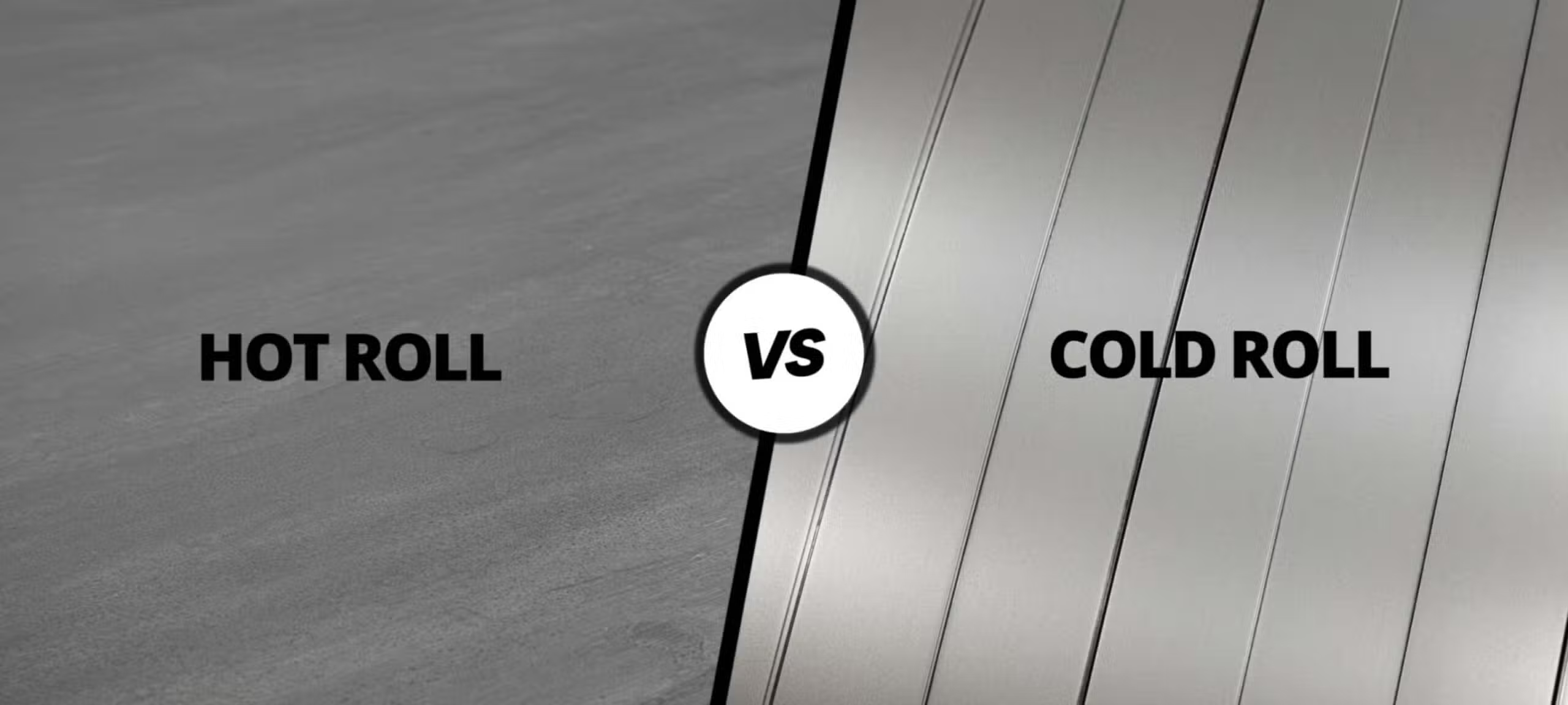
This simple guide explains Hot Rolled Steel vs Cold Rolled Steel in straightforward words.
What Is Rolled Steel?
Rolled metal is metal that has been passed through heavy rollers. These rollers shape the steel into bars, sheets or plates.
Rolling improves:
energy
length
length accuracy
The critical distinction is the temperature throughout rolling.
What Is Hot-Rolled Steel?
Such as Hot-rolled metal is made at very high temperatures. And the steel is heated until it softens. It is then rolled into form.
Because it is rolled at the same time as hot, it is simple to form.
Properties of hot-rolled metal
made at high temperatures
smooth to make
low cost
rough surface
much less correct length
Hot-rolled steel can seem dark or flaky at the surface. This is regular.
Uses of Hot-Rolled Steel
Hot-rolled metal is used where an ideal shape isn’t required.
Common areas of use:
structural beam
steel frame
bridge
railway tracks
metallic rods
In brief, a reliable warm-rolled metallic bar manufacturer, Dejin, can supply strong and reliable bars for heavy-duty tasks.
What is cold-rolled steel?
In simple words, Cold-rolled metal is made at room temperature. And it starts off evolving to become a warm-rolled metallic. After cooling, it’s rolled again.
This extra procedure improves accuracy and finish.
Properties of bloodless-rolled metallic
smooth surface
genuine length
excessive strength
better attendance
higher fee
Cold-rolled metal seems clean and brilliant.
Uses of Cold-Rolled Steel
Cold-rolled steel is used where looks and precision matter.
Common uses:
- Home appliances
- Furniture
- Automotive parts
- Tools
- Electrical panels
It is perfect for visible or decorative products.
Hot Rolled Steel vs Cold Rolled Steel – Key Differences
Let’s examine both sorts in easy phrases.
- Temperature
Hot-rolled metal is rolled at excessive warmth
Cold-rolled metal is rolled at room temperature
This is the principal distinction.
- Surface finish
Hot-rolled steel has a rigid surface
Cold-rolled metal has an easy floor
Cold-rolled metal seems higher.
Three. Electricity
Hot-rolled steel is stronger
Cold-rolled metal is even more potent
Steel becomes harder at some point of cold rolling.
- Size accuracy
Hot-rolled steel has low accuracy
Cold-rolled steel is precisely formed
Cold-rolled steel is higher for precision paintings.
- Cost
Warm-rolled metal is cheaper
Cold-rolled steel is more pricey
Hot-rolled metal saves cash.
- Easy shaping
Hot-rolled metal is easy to form
Cold-rolled metal is difficult to bend.
Hot-rolled metal is better for larger sizes.
Which One Should You Choose?
The choice depends on your project.
Choose hot-rolled steel if:
You need strong steel
Appearance is not important
You want low costs
You do construction work
Choose cold-rolled steel if:
You need a smooth surface
Exact size is important
steel will be visible
You need extra strength
Understanding hot rolled metallic vs cold rolled metal in a nutshell helps you keep away from mistakes.
Why are warm-rolled metal bars so famous?
Such as warm-rolled metallic bars are broadly used in heavy enterprise. And they may be sturdy and price-effective.
The benefits include:
high load capacity
simple welding
good durability
Such as Working with a reliable Hot Rolled Steel Bar Manufacturer – Dajin ensures quality, safety, and long service life.
Quality Matters in Steel Selection
Not all steel is the same. Such as the quality may vary from supplier to supplier. And poor quality steel can crack, bend or fail under pressure. This can lead to security risks and additional costs later.
Always check some essential things before buying steel.
Material standards: Good steel follows international or local standards. These standards govern strength, stiffness and durability. Steel that meets the standards performs better and lasts longer.
Production process: The way steel is made is of great importance. Strength is improved by proper heating, rolling and cooling. A controlled process minimises defects and weak points.
Such as Supplier reputation, A reliable supplier cares about quality. And they have experience and positive customer feedback. Also, Reliable suppliers provide the same quality every time.
A reliable manufacturer also provides test reports and certifications. These documents prove that the quality of the steel is controlled. Certified steel provides security and better long-term performance.
Common Myths About Rolled Steel
Myth: Cold-rolled steel is always higher. Truth: It depends on the application. Cold-rolled steel is higher for a clean surface and a unique shape. But it isn’t always crucial for all initiatives.
Myth: Hot-rolled steel is weak. Truth: Hot-rolled metal could be extreme. It is widely used in buildings and heavy structures. It withstands excessive loads thoroughly.
Both warm-rolled and bloodless-rolled metal have their place. Choosing the proper one depends on the assignment, price range and design requirements.
Conclusion
Both hot-rolled and bloodless-rolled steel are essential. They are made for distinctive purposes.
Hot-rolled steel is high-quality for strength and rate. Cold-rolled metal is best for look and accuracy.
Such as Understanding the differences can help you choose the right fabric for your undertaking. And Always purchase from a trusted provider or producer.
This easy know-how saves time, cash and problems.

